
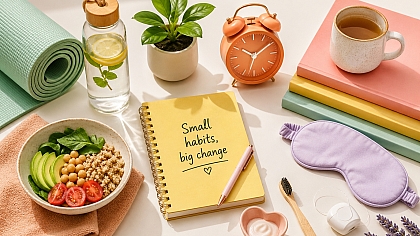

Stop Waiting for a Perfect Day to Take Care of Yourself
In today's fast-paced world, self-care often takes a backseat to the myriad of responsibilities you face daily. Understanding the importance of self-care is crucial for maintaining your overall well-being. Self-care encompasses activities and practices that you engage in regularly to reduce stress and enhance your mental, emotional, and physical health. When you prioritize yourself, you are not only nurturing your own needs but also enabling yourself to offer more to others.
The concept of self-care is not a modern invention; it has roots in various cultural traditions that emphasize balance and harmony. However, in the hustle and bustle of contemporary life, it can often be overlooked. By recognizing that self-care is a necessity rather than a luxury, you take the first step toward a healthier lifestyle. Taking time for yourself is not selfish; it's essential for maintaining balance and creating a fulfilling life, especially when managing concerns such as osteoarthritis knee discomfort.
Many people underestimate the impact of neglecting self-care. The effects can range from increased stress levels and burnout to physical ailments and mental health issues. By integrating self-care into your daily routine, you can improve your quality of life, enhance your relationships, and boost your productivity. It's about creating a sustainable lifestyle that nurtures your body, mind, and spirit.
Common Myths About Self-Care
Despite its importance, several myths about self-care persist, which can deter you from fully embracing it. One common myth is that self-care is expensive and indulgent. In reality, self-care does not require extravagant spa days or luxury retreats. It can be as simple as taking a walk in nature, meditating, or enjoying a hot cup of tea. These small, everyday actions can have a significant impact on your well-being.
Another myth is that self-care is time-consuming. While it's true that some self-care activities require time, many can be incorporated into your existing routine with minimal effort. For instance, practicing mindfulness while brushing your teeth or taking deep breaths during a commute can serve as effective self-care practices. The key is to identify what works best for you and integrate those actions seamlessly into your day.
Lastly, some believe that self-care is only for those who are already feeling stressed or burnt out. In fact, self-care is most effective when practiced consistently, even during times of calm. By maintaining regular self-care habits, you build resilience and better equip yourself to handle life's inevitable challenges. Self-care is a proactive measure, not just a reactive one.
The Benefits of Prioritizing Self-Care
Prioritizing self-care yields numerous benefits that enhance various aspects of your life. Physically, regular self-care can boost your immune system, improve sleep quality, and increase energy levels. By taking care of your body, you create a strong foundation that supports your daily activities and long-term health. This can include making time for activities you enjoy, whether it's relaxing at home, getting ready for a special occasion, or choosing a party wear dress that makes you feel confident and comfortable.
Emotionally, self-care helps you manage stress, reduce anxiety, and improve mood. Engaging in activities that bring joy and relaxation can lead to a more positive outlook on life. Additionally, self-care encourages emotional regulation, allowing you to respond to challenges with greater calm and clarity.
Socially, when you prioritize self-care, you are better able to engage with others and maintain healthy relationships. By ensuring your own needs are met, you can be more present and supportive to friends, family, and colleagues. Self-care fosters empathy and understanding, which are essential for building strong connections with others.
Signs You Need to Focus on Self-Care
Recognizing the signs that you need to focus on self-care is crucial for maintaining your well-being. One of the most evident signs is a constant feeling of exhaustion or burnout. When you find yourself consistently tired and lacking energy, it's a signal that your body requires rest and rejuvenation.
Another sign is increased irritability or mood swings. If you notice that you are frequently on edge or feeling overwhelmed by small inconveniences, it may be time to evaluate your self-care habits. Emotional imbalances often indicate that your mental and emotional reserves are depleted.
Physical symptoms such as frequent headaches, muscle tension, or digestive issues can also point to a need for enhanced self-care. Your body often manifests stress and neglect physically, signaling that immediate attention is required. Listening to these cues can help you prevent more severe health issues down the line.
Creating a Personalized Self-Care Routine
Creating a personalized self-care routine involves identifying activities that resonate with you and fit into your lifestyle. Start by assessing your current habits and pinpointing areas where you can incorporate self-care. Consider your physical, emotional, and mental needs, and choose activities that address each aspect.
To build a balanced routine, consider incorporating a variety of activities. You might include physical exercises like jogging, mental activities such as reading or journaling, and relaxation techniques like meditation or deep-breathing exercises. Tailor your routine to suit your preferences and schedule, ensuring it's manageable and enjoyable.
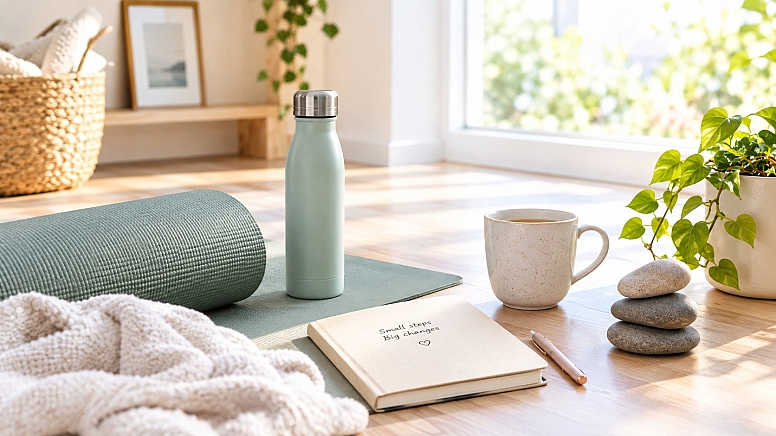
It's essential to remain flexible and adaptable as your needs and circumstances change over time. Regularly evaluate your self-care routine and make adjustments as necessary. Remember, the goal is to create a sustainable practice that supports your overall well-being and enhances your quality of life.
Practical Self-Care Tips to Incorporate Daily
Incorporating practical self-care tips into your daily routine can make a significant difference in your well-being. Here are some simple actions you can take each day:
- Start Your Day Mindfully: Dedicate a few minutes each morning to set intentions or practice gratitude. This sets a positive tone for the day and helps you focus on what truly matters.
- Stay Hydrated: Drinking enough water is a fundamental aspect of self-care. Carry a water bottle with you and set reminders if needed to ensure you stay hydrated throughout the day.
- Move Your Body: Engage in some form of physical activity, whether it's a structured workout or a simple walk. Regular movement boosts your mood and energy levels.
- Take Breaks: Give yourself permission to pause and rest. Short breaks can enhance productivity and prevent burnout.
- Practice Mindfulness: Incorporate mindfulness activities, such as meditation or deep breathing, into your routine to reduce stress and increase awareness.
By implementing these practical tips, you can nurture yourself daily and create a foundation for long-term well-being.
Overcoming Barriers to Self-Care
While the benefits of self-care are clear, you may encounter barriers that make it challenging to prioritize. One common obstacle is time constraints. Juggling various responsibilities can leave little room for self-care. To overcome this, consider scheduling self-care activities as you would any other appointment. Consistently setting aside time for yourself reinforces its importance.
Another barrier is guilt. Many people feel guilty for taking time for themselves, especially when they have commitments to others. Remember, self-care is not selfish; it is necessary for maintaining your ability to support others effectively. Reframing your mindset to view self-care as a responsibility can help alleviate guilt.
Finally, a lack of motivation or awareness of suitable activities can hinder your self-care efforts. Explore different self-care practices to discover what resonates with you. Experimenting with new activities can reinvigorate your routine and keep you engaged. Consider enlisting the support of a friend or a group to stay motivated and accountable.
Self-Care Activities for Different Needs
Self-care is not one-size-fits-all. Different needs require different approaches. Below are some self-care activities categorized by specific needs:
Physical Self-Care
- Exercise: Regular physical activity such as swimming, cycling, or dancing.
- Nutrition: Eating balanced meals with a variety of nutrients.
- Rest: Prioritizing sleep and allowing yourself to rest when needed.
Emotional Self-Care
- Journaling: Writing to express thoughts and feelings.
- Therapy: Seeking professional help when needed.
- Creative Expression: Engaging in art, music, or other creative outlets.
Mental Self-Care
- Reading: Engaging with books or articles that stimulate your mind.
- Puzzles: Solving puzzles or playing strategy games.
- Mindfulness: Practicing meditation to enhance focus and clarity.
Social Self-Care
- Connecting: Spending quality time with loved ones.
- Community: Participating in group activities or volunteering.
- Boundaries: Setting healthy boundaries to preserve personal space.
By addressing your unique needs, you can create a comprehensive self-care plan that supports your holistic well-being.
The Role of Mindfulness in Self-Care
Mindfulness plays a pivotal role in self-care by fostering awareness and presence in each moment. Practicing mindfulness helps you connect with your inner self, allowing you to recognize and respond to your needs more effectively. By cultivating a mindful approach to life, you can enhance your self-care practices and achieve greater balance.
Through mindfulness, you can develop better emotional regulation and reduce stress. Techniques such as meditation, deep breathing, and mindful walking help you stay grounded and focused. These practices enable you to navigate life's challenges with greater ease and resilience.
Integrating mindfulness into your self-care routine can also improve your relationships. By being fully present in your interactions, you can deepen connections and communicate more effectively. Mindfulness encourages empathy and understanding, which are crucial for nurturing healthy and supportive relationships.
Conclusion: Start Your Self-Care Journey Today
It's time to stop waiting for the perfect day to begin your self-care journey. Prioritizing your well-being is essential for living a balanced and fulfilling life. By understanding the importance of self-care, debunking common myths, and incorporating practical tips into your routine, you can enhance your overall health and happiness.
Remember, self-care is a continuous process that evolves as your needs change. Stay flexible, explore new activities, and remain committed to nurturing yourself. By doing so, you empower yourself to lead a more vibrant and resilient life.
Recent Posts







0.0604