
The Gift of Wellness: Simple, Realistic Habits for Everyday Health & Happiness
Busy people juggling work, family, and last-minute tasks often treat everyday well-being like a luxury item, nice in theory, hard to fit in. The real tension is wanting a holistic health approach that feels authentic and teachable, while also needing something simple enough to do on a packed schedule and realistic for a budget.
In a world of quick purchases and last-minute gifts, it’s easy to forget that the most meaningful things we can give aren’t things at all. The gift of time, both to yourself and to the people you care about, often carries more value than anything you can wrap.
Small, intentional wellness habits aren’t just acts of self-care; they’re a way of showing up with more energy, patience, and presence in your relationships. When you invest a few minutes in your own well-being each day, you’re not just improving your health; you’re creating something more valuable to share: a calmer, more connected version of yourself.
Head-to-toe health strategies don’t require expert-level know-how or a total lifestyle overhaul, just a few consistent choices that add up over time. This is health empowerment for beginners that supports steadier energy, clearer mood, and a stronger sense of control.
Use This 7-Area Checklist to Boost Health From Head to Toe
When life is packed with special occasions and events such as birthdays, holidays, and “I need a thoughtful gift by Friday” moments, wellness works best as a simple checklist, not an all-or-nothing makeover.
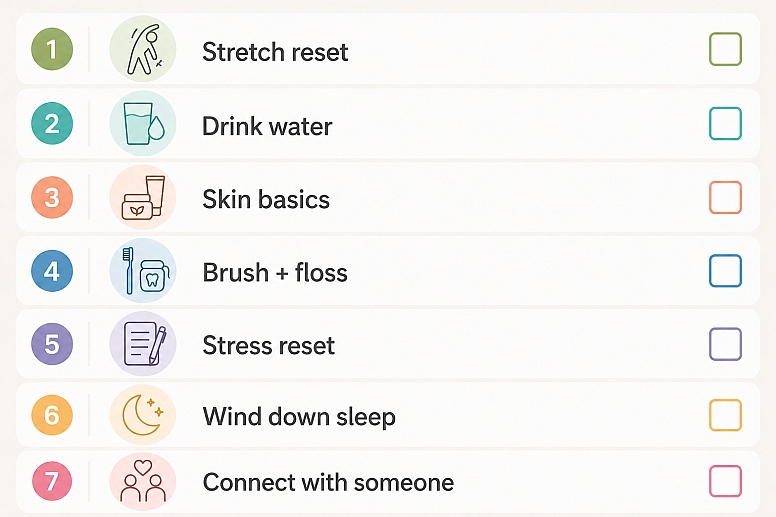
Use this head-to-toe list like a budget: pick what you can afford today (time, energy, attention) and still make progress.
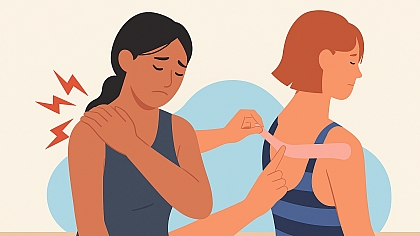
- Loosen up with a 3-minute stretch reset: Do a quick sequence once or twice a day, 10 shoulder rolls, a neck tilt in each direction, a chest opener in a doorway, and a forward fold to relax your back and hamstrings. Pair it with something you already do (kettle boils, coffee brews, shipping labels print) so it doesn’t require extra planning. Stretching gently signals “we’re safe” to your body, which can help your mind feel less reactive, too.
- Hydrate with a simple “anchor” plan: Start with one glass of water right when you wake up, then one more with lunch, two easy anchors that cover a lot of ground. A quick way to check: pale-yellow urine usually means you’re in a decent zone; dark yellow means add water soon. Many everyday body functions run more smoothly when you’re hydrated, and water helps regulate temperature, digestion, and even skin elasticity.
- Keep skin care simple & consistent: Pick a two-step routine you can do even on late nights, cleanse + moisturize. Add sunscreen in the morning when you’ll be outside for more than a quick dash. If you’re thinking of gifting something to someone, this is an easy DIY “self-care kit” idea: refillable travel bottles, a soft washcloth, and a note with these two essential steps written out.
- Upgrade oral hygiene in one tiny way: Brush for two minutes twice a day and floss once, but if that feels like a lot, start with “one tooth row” flossing (top or bottom) and build from there. Leave floss where you already pause, by your charger, in the shower, or beside your face wash. Small, repeatable habits beat occasional perfect efforts.
- Use a 5-minute stress tool that fits your personality: If you like structure, try a 4-7-8 breathing cycle for three rounds; if you like reflection, write three sentences about what set you off and what you’ll do next time. The habit of journaling can help you spot stress triggers and choose coping strategies before you hit overload. Put it on your “minimum daily plan” list for high-stress weeks.
- Protect sleep like a non-negotiable bill: Set a “screens down” time 30–60 minutes before bed and keep your bedroom a little cooler and darker if you can. If your mind spins, keep a notepad nearby and do a two-minute “brain dump” so you’re not budgeting tomorrow’s to-dos at midnight. Sleep is the quiet multiplier that makes every other habit easier.
- Invest in one real connection each week: Choose one small, specific touchpoint: a 10-minute call, a walk-and-talk, or a voice note that asks a real question (“What’s been taking up your brain lately?”). Social connection supports mental health because it interrupts rumination and reminds you you’re not carrying everything alone.
This is a bonus for gift giving on special occasions, as it also keeps you tuned in to what people actually need, so your gifts feel more personal with less guesswork.
Link Work Satisfaction to Wellness With One Next Career Step
Career fulfillment matters for overall well-being because it shapes your stress level, energy, and sense of purpose, and when your job feels like a better fit, it’s easier to protect work-life balance over the long haul. If you’re feeling stuck or ready for more responsibility, going back to school can be a practical way to improve your career trajectory and build confidence in your next move.
The good news is you can choose from an array of accredited online programs that match your goals; for example, if you’re drawn to healthcare leadership, a healthcare administration degree you can earn online can support a path into healthcare administration. Whatever direction you choose, online programs are ideal for working professionals because they’re designed to fit around a job and existing commitments.
Tiny Head-to-Toe Rituals You Can Repeat
Small, repeatable routines build the kind of steady health wins that actually stick, which is great news if you love giving meaningful gifts. Think of each habit as a mini tutorial you can practice yourself, then package it as a simple “care kit” idea for someone you love.
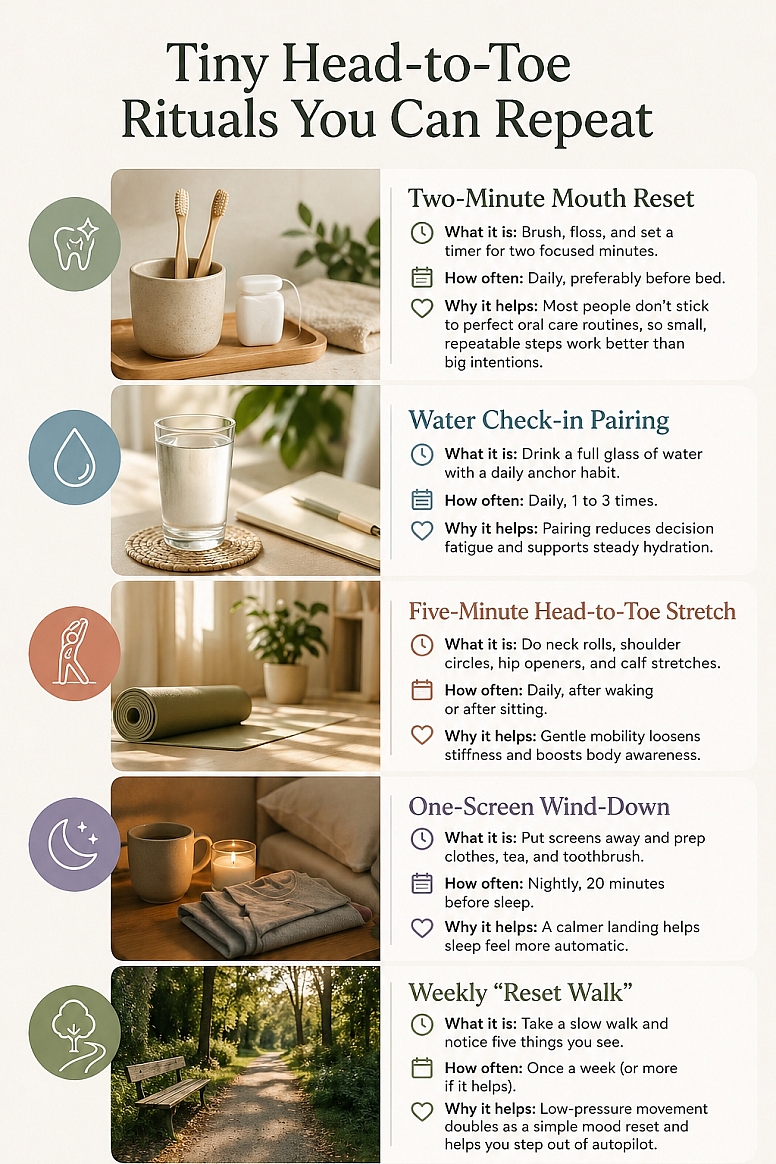
Two-Minute Mouth Reset
- What it is: Brush, floss, and set a timer for two focused minutes.
- How often: Daily, preferably before bed.
- Why it helps: Most people don’t stick to perfect oral care routines, so small, repeatable steps work better than big intentions.
Water Check-in Pairing
- What it is: Drink a full glass of water with a daily anchor habit.
- How often: Daily, 1 to 3 times.
- Why it helps: Pairing reduces decision fatigue and supports steady hydration.
Five-Minute Head-to-Toe Stretch
- What it is: Do neck rolls, shoulder circles, hip openers, and calf stretches.
- How often: Daily, after waking or after sitting.
- Why it helps: Gentle mobility loosens stiffness and boosts body awareness.
One-Screen Wind-Down
- What it is: Put screens away and prep clothes, tea, and toothbrush.
- How often: Nightly, 20 minutes before sleep.
- Why it helps: A calmer landing helps sleep feel more automatic.
Weekly “Reset Walk”
- What it is: Take a slow walk and notice five things you see.
- How often: Once a week (or more if it helps).
- Why it helps: Low-pressure movement doubles as a simple mood reset and helps you step out of autopilot.
Quick Wellness Q&A for Busy People
Q: How can I turn sleep help into a gift without giving medical advice?
A: Focus on environment and routine: a soft eye mask, herbal tea, and a short screen-free ritual card. Encourage a consistent wake time and a 20-minute wind-down, not perfection. A “sleep kit” works best when it feels doable on a normal weeknight.
Q: What sunscreen basics should I include in a skin-protection care kit?
A: Choose a broad-spectrum SPF 30 or higher and add a reminder card to reapply during long outdoor stretches. Pair it with a lip balm that contains SPF and a hat for backup protection. If someone has sensitive skin, suggest patch-testing on a small area first.
Q: Should my “oral hygiene mini tutorial” include flossing every day?
A: Yes, but make it frictionless: add floss picks or a small spool plus a two-minute timer. The win is consistency, not an all-or-nothing streak. If gums bleed, encourage gentleness and a dental check-in if it persists.
Q: What is the biggest hydration myth I should avoid in a wellness gift?
A: Skip rigid rules like “everyone needs the same exact number of glasses.” Instead, make water easy to reach; a water bottle in every room and a refill cue beats willpower.
Build Whole-Body Wellness by Starting One Daily Habit
When life is busy, and budgets are tight, health can feel like one more thing to manage, and it’s easy to stall out on “perfect.” The better approach is a steady, whole-body wellness mindset: simple well-being practice encouragement that fits real days, not ideal ones.
Over time, these small choices stack into clearer energy, steadier mood, and fewer “starting over” moments, real health strategy benefits without the overwhelm. Consistency beats intensity when you want habits that last.
Choose one habit to start this week, attach it to something already in your day, and keep it small enough to repeat. That daily health integration is what builds resilience and supports the life and relationships that matter most.
LEAVE A COMMENT
Categories
Recent Posts


0.0578