
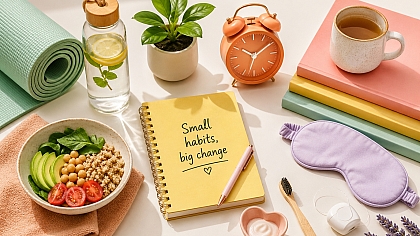
Easy Head-to-Toe Habits to Boost Your Daily Wellness
Fitness enthusiasts and wellness seekers often do “most things right” and still feel off by midafternoon. Between daily health challenges like low energy, gym anxiety, recovery that drags on, and noisy beginner fitness advice online, it’s easy to swing between overdoing it and doing nothing.
The missing piece isn't more intensity, but steadier, full-body habits that support how your system functions every day. Small, realistic shifts can bring more consistency, calmer confidence, and better everyday well-being.
Quick Wellness Takeaways
- Start each morning with a simple stretching routine to loosen up and energize your body.
- Choose steady hydration throughout the day to support digestion, focus, and overall daily wellness.
- Follow basic skin care habits to protect your skin and keep it feeling comfortable.
- Practice strong oral hygiene daily to support a healthy mouth and fresher breath.
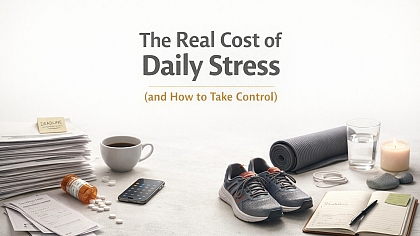
- Use stress management techniques and sleep improvement tips to feel calmer and recover better.
Build a Head-to-Toe Daily Wellness Flow
This quick flow turns “healthy intentions” into a repeatable routine you can actually stick with. It’s built for fitness enthusiasts and wellness seekers who want practical actions that support training, recovery, energy, and stress management.

- Start your morning with mobility, water, and SPF: Start with 3 to 5 minutes of easy stretching like neck rolls, shoulder circles, hip openers, and calf stretches to wake up joints and reduce stiffness. Drink a glass of water right after, then keep sipping through the morning, since research has noted dehydration after training can show up even when you feel “fine.” Finish with sunscreen on face, ears, neck, and any exposed skin so protection is automatic, not optional.
- Use simple hydration checkpoints throughout the day: Choose a personal “water rhythm” you can remember, like 2 to 4 big sips every hour and a full glass with each meal. Pair drinking with triggers you already do, like filling your bottle before meetings or after bathroom breaks. Add an extra glass after workouts and salty meals to help your body recover and regulate temperature.
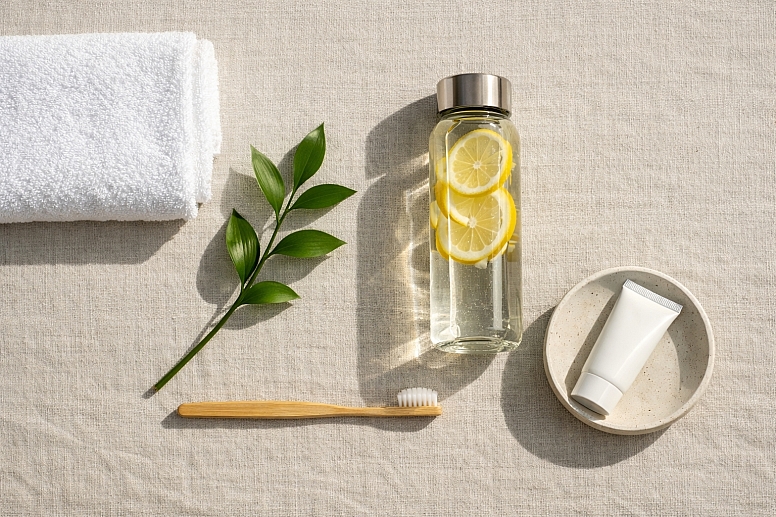
- Lock in oral care with the '2+1' rule: Brush in the morning and before bed, then floss once daily at a time you will not skip, like right after dinner. Keep the floss where you relax, not just in the bathroom, so it becomes easier to start. This small routine supports comfort, confidence, and consistency when your schedule gets busy.
- Insert a 3-minute mindfulness reset: Set a timer for 3 minutes and practice slow breathing, a brief body scan, or simply noticing sounds around you. Do it mid-day when your focus dips or right after training when your body is shifting from effort to recovery. The goal is not to clear your mind, but to downshift your nervous system on purpose.
- Close the day with sleep cues and one connection: Choose a short wind-down sequence you can repeat: dim lights, put screens away, prep tomorrow’s clothes, and do gentle stretching for 2 minutes. Add one social touchpoint, like a quick call, voice note, or walk with a friend, since studies link strong social relationships to a longer, healthier life. Consistent bedtime cues plus connection help your body feel safe enough to truly rest.

Habits That Make Wellness Automatic
Habits work best when they are simple and easy to restart after a busy day. These head-to-toe routines help fitness enthusiasts and wellness seekers build steady energy, smoother recovery, and calmer focus without needing a perfect schedule.
Five-Minute Joint Wake-Up: Do gentle circles for neck, shoulders, hips, ankles, then one deep squat hold. Do this daily before breakfast or training. It warms tissues, improves range of motion, and reduces “first steps” stiffness.
Bottle-Trigger Hydration: Refill your bottle at three anchors: morning, midday, and late afternoon. Do this daily. Steady fluids support performance, digestion, and prevent energy dips.
Two-Finger Sunscreen Sweep: Apply two fingers of SPF to the face and neck, plus ears. Do this daily after washing. Consistency protects exposed skin during walks, driving, and outdoor sessions.
Brush-Plus Floss Pairing: Brush twice and floss once right after dinner using habit strength reminders like alarms. Do this daily. Pairing reduces skipped nights and keeps your mouth comfortable for training days.
Lights-Down Sleep Cue: Set a 20-minute wind-down with dim lights, stretch, and one calm breath drill. Do this daily before bed. Fewer people struggle with sleep when cues stay predictable.
Common Questions to Make Wellness Feel Simpler
Q: What are some easy stretching exercises to incorporate into my morning routine to reduce stiffness?
A: Try a 3 to 5 minute flow: neck turns, shoulder rolls, cat-cow, a hip flexor lunge, and 10 ankle circles per side. Keep it gentle and breathe slowly so your body feels safe to loosen up. If a move pinches or creates sharp pain, scale the range and focus on smooth motion.
Q: How can developing a consistent bedtime routine improve the quality of my sleep and overall well-being?
A: A repeatable wind-down teaches your brain to shift out of “problem-solving mode,” which can lower nighttime stress. Start with one cue you can keep most nights: dim lights, devices away, and 5 minutes of easy stretching. Many people struggle with sleep consistency, and 77% of high school students not getting enough rest shows how common the challenge can be.
Q: What mindfulness or breathing techniques are most effective in managing daily stress?
A: Use a simple “physiological sigh”: inhale through the nose, take a short second inhale, then exhale long and slow. Repeat 3 to 5 cycles when uncertainty spikes, like before a meeting or workout. Consistency matters, and anxiety dropped more sharply when people fully completed a stress skills program.
Q: How do simple daily habits like hydration and skincare contribute to long-term health benefits?
A: These “small-body” habits reduce friction in your day, which supports steadier energy and mood when life feels hectic. Hydration helps training quality and focus, and basic skin protection supports comfort during walks and outdoor errands. Pick one anchor time, like after brushing teeth, so it happens even on busy days.
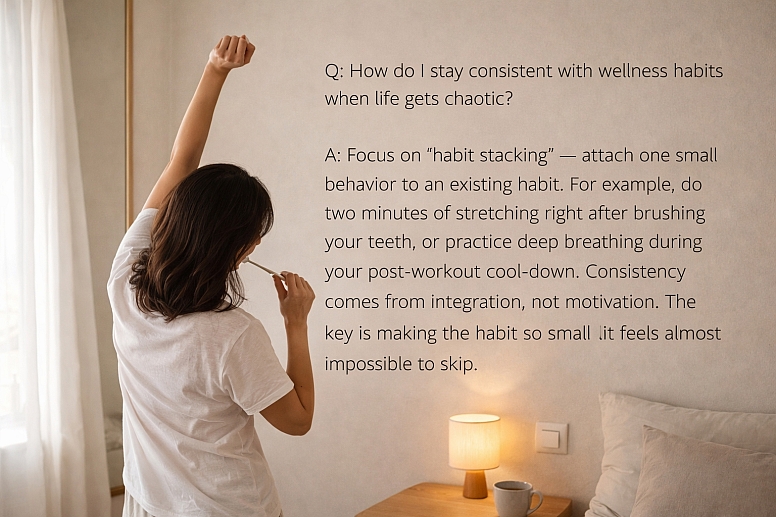
Q: How do I stay consistent with wellness habits when life gets chaotic?
A: Focus on "habit stacking" — attach one small behavior to an existing habit. For example, do two minutes of stretching right after brushing your teeth, or practice deep breathing during your post-workout cool-down. Consistency comes from integration, not motivation. The key is making the habit so small it feels almost impossible to skip.
Q: What's the single most impactful wellness habit for fitness enthusiasts?
A: Quality sleep. It affects recovery, performance, hormone regulation, and mental focus. If you're training hard but skipping sleep, you're leaving gains on the table. Consistent sleep helps your body repair tissue, consolidate memory, and regulate appetite. For more on this, check out our guide on sleep improvement tips.
Build Daily Wellness Momentum With One Simple Head-to-Toe Habit
When wellness advice piles up, it’s easy to feel behind and then do nothing at all. The steadier path is integrating wellness practices in small, repeatable ways — stacking one habit onto something already happening and letting consistency do the heavy lifting. Over time, that routine supports maintaining physical and mental health, and it’s where the long-term well-being benefits really come from.
Pick one habit, repeat it daily, and let consistency do the work. Choose one small practice today and attach it to an existing routine so motivation doesn't have to carry the whole load. That’s how healthy choices become a reliable rhythm that builds resilience and confidence over the long haul.
LEAVE A COMMENT
Categories
Recent Posts





0.0885