
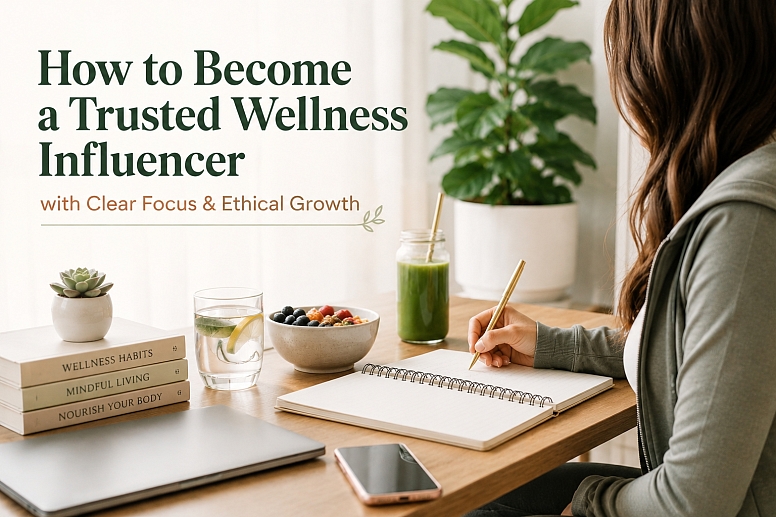
How to Become a Trusted Wellness Influencer with Clear Focus
Aspiring wellness influencers often feel pulled in two directions: share helpful health and wellness content widely, yet stand out in a crowded feed where questionable advice spreads fast. The biggest wellness influencer challenges usually aren’t about effort; they’re about focused niche selection and the patience to earn trust without overreaching.
Without a clear lane, content turns scattered, confidence dips, and audiences struggle to know what to believe. With a focused niche and steady work on establishing online credibility, a creator’s message becomes easier to follow, safer to share, and simpler to grow.
Build Trust as a Wellness Influencer, Step by Step
This is a simple path to go from “posting wellness tips” to building a focused, trustworthy presence people feel safe following. It matters because your audience is making real-life choices, and your job is to help without hype.
- Choose one clear niche and one real audience.
Start by writing one sentence: “I help who achieve what outcome with what approach.” Keep it narrow enough to explain in 10 seconds, like “strength training for busy beginners” or “stress relief routines for new parents.” A tight niche makes your content easier to recognize and reduces the temptation to cover topics you cannot responsibly support. - Set credibility boundaries and proof points.
List what you are qualified to speak on from experience, training, or research habit, then list what you will not do, like diagnosing, prescribing, or making cure claims. Add 2 to 3 visible proof points to your bio and highlights, such as relevant certifications, your personal story with clear limits, and a “not medical advice” note. People tend to trust people more than brands, and trust recommendations grow when your audience can quickly see what you stand for. - Build a simple content system on one or two platforms.
Choose one primary platform where you will post consistently, and one optional secondary platform only for repurposing. Use a weekly rhythm: 1 teach post, 1 practical routine, 1 personal values post, plus 3 to 5 short stories or check-ins. This keeps you consistent without burning out, and consistency makes it easier for new people to understand your message. - Define a calm brand voice and engage daily.
Pick three voice words such as “grounded, encouraging, evidence-aware” and use them as a filter before you post or reply. Spend 10 minutes a day responding to comments, asking one helpful question, and saving audience FAQs for future posts. Community trust builds when people feel seen, not sold to. - Monetize ethically and track beginner-friendly metrics.
Start with one ethical offer that matches your niche, like a low-cost guide, a small-group workshop, or affiliate links only for products you actually use and would recommend without being paid. Track just a few signals each week: saves, shares, meaningful comments, and how many people click to learn more, since those reflect usefulness more than vanity growth. Use the data to adjust topics and formats while staying within your credibility boundaries.
Create a Simple Logo That Makes Your Content Instantly Recognizable
Once your trust-building habits are in place, a simple logo helps people spot your content in a split second and remember it. Aim for a clean mark that reflects your niche and visual style, something that feels like you and won’t compete with your message. Then use that same logo consistently across your social profiles, website, newsletter, and content so your work looks connected, recognizable, and professional wherever someone finds you.
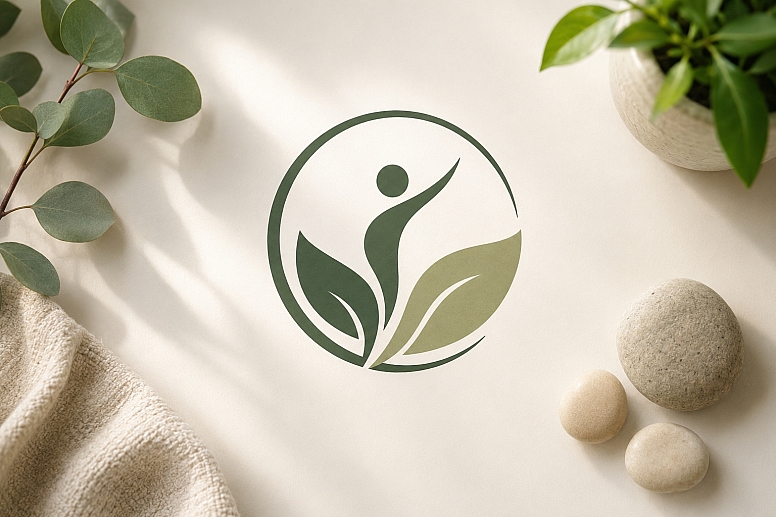
If you want to move quickly, a logo maker can help you create something custom without getting stuck. With tools to design logos to bolster your brand, you typically start by entering your business or brand name, choosing a design style, and then customizing the details, colors, fonts, and icons until it matches the vibe you want people to associate with your wellness content. When it looks right, you download the finished logo and start placing it consistently across your profiles and templates.
Quick Answers for Building Wellness Trust
Q: How do I pick a wellness niche that feels authentic and keeps me motivated?
A: Start with the overlap of what you’ve practiced consistently, what you can explain clearly, and what you actually enjoy repeating weekly. Write a one-sentence promise in your own voice, then test it with 10 posts to see what feels energizing instead of draining. Early on, measure progress with simple signals like saves, replies, and repeat viewers, not perfection.
Q: What are some effective ways to share wellness advice responsibly without making medical claims?
A: Use “what I do” and “what helped me” language, cite reputable sources, and avoid diagnosing or promising outcomes. Add a clear disclaimer in your bio and on sensitive posts that your content is educational and not medical advice. When a topic crosses into symptoms, medications, or treatment, encourage people to consult a licensed clinician.
Q: How can I create a consistent content routine that isn’t overwhelming?
A: Pick two content pillars and one repeatable format, then batch one hour a week to draft and schedule. Keep a small idea bank and rotate themes so you never start from zero. Consistency is a frequency you can sustain, even if that is just two quality posts per week.
Q: What are ethical approaches to monetizing my wellness platform that maintain my audience’s trust?
A: Monetize only what you would recommend without payment, and disclose partnerships clearly and early. Choose offers that match your niche and set boundaries, like refusing scripts that push fear or urgency. Track your results so you do not chase hype, since measurable brand lift can outperform untracked campaigns in engagement.
Weekly Habits for Ethical, Steady Wellness Influence
Trust is built in small, consistent actions: showing up with clarity, staying in your lane, and treating your audience’s health with care. These habits keep your message focused and your growth ethical, so you can improve over months without burning out.

Two-Note Clarity Check
- What it is: Write two notes: what you teach this week and what you do not.
- How often: Weekly
- Why it helps: It prevents scope creep and keeps your promise easy to recognize.
Responsible Language Pass
- What it is: Swap claims for “I noticed” and add a “check with a clinician” line.
- How often: Every post on sensitive topics
- Why it helps: It reduces harm and sets clear expectations.
Sustainable Posting Pace
- What it is: Choose a schedule that fits the work I love to do without draining you.
- How often: Weekly
- Why it helps: Consistency becomes realistic, not performative.
Comment Care Window
- What it is: Set a 15-minute timer to reply, thank, and ask one follow-up question.
- How often: 3 times weekly
- Why it helps: It turns viewers into community through steady conversation.
Proof and Source Shelf
- What it is: Save 3 trusted links and quote only what they actually say.
- How often: Monthly refresh
- Why it helps: It keeps your guidance accurate and easier to explain.
Choose a Clear Niche and Earn Trust One Post
It’s easy to want fast growth, but the wellness influencer journey gets messy when advice outpaces evidence and boundaries. The steady path is a clear focus, ethical intentions, and reflective content creation that puts real people ahead of reach; those are key influencer success factors that keep responsible wellness influence intact.
When that mindset guides what gets shared, confidence grows, comments get safer and more thoughtful, and beginner creators stay motivated without drifting into exaggerated claims. Trust is built in public, one careful, helpful post at a time.
Recent Posts





0.0965