

5 Easy Ways to Make Casual Outfits Look More Stylish
Casual clothes are easy to throw on, no doubt about that. But easy doesn't mean it has to look basic. A few thoughtful tweaks and everyday jeans, T-shirts, trousers, skirts, sneakers - all of it starts looking polished; no need to go uncomfortable or overly formal to get there.
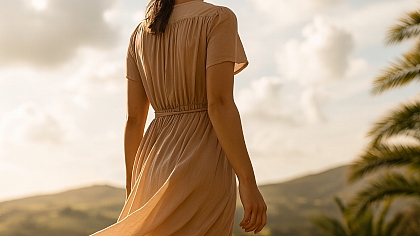
Small details do most of the heavy lifting, honestly. Someone who regularly wears a namaz chadar with sleeves can use the same approach: coordinated colors, layers that actually complement each other, and the whole look ends up more refined.
Here's the good part though: none of this needs a whole new wardrobe. It's really about how you combine what's already sitting in your closet. Five simple ways follow, each one meant to give your everyday outfits a sharper finish.
1. Pay Attention to the Fit
Fit changes everything. Genuinely, it might be the single biggest factor in whether casual clothes look fashionable or not. Doesn't matter how much you spent; if something's too loose, too tight, or just wrong in the length, it's going to look off.
So what does good fit actually mean? A T-shirt should sit right on your shoulders, no pulling across the chest, nothing tight in weird places. Jeans and trousers need room to move but shouldn't lose their shape either. Oversized pieces can work great too, honestly, as long as the loose fit reads as a deliberate choice rather than something that just happened.
Proportions matter a lot here too. Got wide-leg trousers on? Pair them with something fitted, or tuck the top in neatly. Oversized top instead. Balance it with straighter, slimmer trousers on the bottom, which keeps the whole silhouette from looking shapeless.
Small details go further than people think. Roll up the sleeves. Tuck in part of the shirt. Get the hem length right on your trousers. Little moves like these, and a casual outfit suddenly looks like effort went into it, even when it barely did.
2. Add One Stylish Layer
Adding one layer can completely change a basic outfit. Jeans and a T-shirt look plain on their own, sure, but throw a jacket or cardigan or blazer over it and it's a different outfit entirely.

Don't overdo it though. One good piece is usually enough. A blazer over a plain tee and straight-leg jeans looks put together instantly. Want something more weekend-casual? A denim jacket or an overshirt does the job.
There's also the texture angle people forget about. Knitted cardigan, smooth cotton tee underneath - that contrast alone makes an outfit interesting, no colors or patterns needed.
Layers are just practical too, honestly. Weather changes throughout the day, and you need to adjust; that's real life. A light jacket you can take off or put back on keeps you comfortable and keeps the outfit looking finished the whole time.
3. Use Accessories to Elevate the Look
You don't need a ton of jewelry or some big statement piece. A couple of good accessories, chosen well, do more work than people expect.
Bag, belt, sunglasses, watch, scarf, a bit of jewelry; any of these can pull a casual outfit together. Even just swapping your everyday bag for something different makes jeans and a plain top look sharper.
Shoes count as accessories too, and they change everything. Sneakers, obviously, are the casual default, but not all sneakers say the same thing. Minimal white ones read modern. Loafers or ankle boots or simple sandals push things a bit more refined.
Match the energy of your outfit. Loud clothes, bold patterns, keep the accessories quiet. Plain neutral outfit, that's where you get to have fun with an accessory and let it be the interesting part.
4. Create a Thoughtful Color Combination
Forget bright colors for a second. A well-put-together neutral outfit can look more polished than something loud ever could.
Black, white, beige, cream, gray, navy, brown; these are your building blocks. Mix and match freely; they basically always work together.
Once you've got that neutral base down, add one color. White shirt, blue jeans, burgundy bag, done, instant personality. Or take an all-black outfit and toss in a lighter jacket, or one colorful accessory, same idea. If matching colors on your own feels like too much guesswork, co-ord sets Pakistan are an easy shortcut since the top and bottom are already designed to work together.

Staying in one color family works too. Different browns, different creams, shades of blue or gray - this creates a cohesive look without you having to think too hard about it.
Patterns are fine as well, just balance them. A patterned top means everything else stays simple. That's it, that's the whole rule: let the pattern be the star instead of drowning it in more stuff.
5. Focus on the Small Details
Small details end up mattering more than most people think. Clean, well-maintained clothes just look more polished, whether it's a casual outfit or not.
Check a few things before you walk out. Anything needs ironing. Lint anywhere. Buttons, shoes, all that. Small stuff, but it's the difference between cheap clothes looking cheap and cheap clothes looking fine.
Then there's styling the individual pieces. Shirt tucked into high-waisted trousers. Jeans cuffed a bit. Sleeves rolled up. Belt to define the waist. No new clothing needed for any of it, just changes how the proportions read.
Grooming too; don't skip that part. Neat hair, tidy overall look; even a super relaxed outfit gets better with that.
And the real key here: stop trying to do every trend at once. Casual dressing that actually looks good is usually simple. A few elements working together; that beats piling on extra stuff every time.
Putting Everything Together
No complicated rules needed, no new wardrobe either. Clothes that fit first, then think proportions, colors, layers, accessories, finishing touches.
Straight-leg jeans, plain top, add a lightweight blazer, a belt, clean sneakers, structured handbag, different outfit basically, more elevated. Or wide-leg trousers, fitted top, simple cardigan, comfortable route but still polished.
The point is making everything feel intentional. Clothes fit, colors work together, accessories complement instead of competing; that's the formula, even with basic pieces.
Comfort and style aren't opposites here. Casual fashion works when both meet halfway. Ease doesn't have to cost you polish. Chasing every trend isn't required either. Better fit, some thoughtful layers, accessories that make sense, colors that coordinate, small details handled - that's what makes everyday outfits look genuinely stylish.
Start small, though. One change, that's it. Work with what's in your closet already before buying anything new. Most of the time, one small adjustment is all it takes; a plain outfit turns into something confident, current, and put together.
Recent Posts


0.0808