


How to Build a Pet Routine That Matches Your Lifestyle
Pets are more than companions; they are family. Just like humans, they thrive on structure, love, and attention. Building a pet routine that fits your lifestyle can improve their health, behavior, and overall happiness. However, many pet owners struggle to create a balanced routine that works for both them and their furry friends.
Every pet is unique. Dogs, cats, rabbits, and other pets have different needs, energy levels, and temperaments. Understanding these differences is the first step toward creating a routine that works for everyone in the household. A well-designed pet routine not only reduces stress for your pet but also simplifies your daily life.
This guide covers why personalized routines matter, how to evaluate your lifestyle, practical steps for building a routine, and common mistakes to avoid.
Why a Personalized Pet Routine Matters
A one-size-fits-all approach rarely works for pets. Personalized routines improve both mental and physical health. Pets are creatures of habit. Consistency gives them a sense of security and comfort.
For example, a dog who knows exactly when to eat, play, and rest is less likely to develop anxiety or behavioral problems. Cats benefit from scheduled play sessions and feeding times. Even small pets like guinea pigs and rabbits thrive when they have predictable feeding and exercise patterns.
A proper routine can also strengthen your bond. When pets know what to expect, they become more relaxed and responsive. You will notice fewer accidents, less destructive behavior, and a happier household overall.
Additionally, a structured routine allows you to manage your own time better. If you know exactly when your pet needs exercise or attention, you can plan your work, leisure, and chores accordingly. This harmony reduces stress for both you and your pet.
Understanding Your Lifestyle and Your Pet’s Needs
Before creating a routine, evaluate your lifestyle. Ask yourself:
- How many hours a day can I dedicate to my pet?
- What type of activities fit my energy levels?
- Do I have a flexible or fixed schedule?
- How active is my pet naturally?
Once you understand your schedule, consider your pet’s needs. Dogs need walks, playtime, mental stimulation, and regular meals. Cats need interactive toys, climbing opportunities, and quiet resting spaces. Small pets often require frequent but short feedings, cage cleaning, and enrichment activities.
Matching your lifestyle to your pet’s natural behaviors is crucial. For instance, if you work long hours, a high-energy dog may become stressed or bored without sufficient stimulation. On the other hand, a low-energy cat or older dog may adapt well to a calmer, home-bound routine.
Creating a pet routine that considers both your availability and your pet’s natural rhythms increases compliance and reduces frustration.
7 Ways to Build a Pet Routine That Matches Your Lifestyle

Here are seven practical strategies to create a pet routine that works for both you and your furry friend:
1. Set Consistent Feeding Times
Feeding at the same time every day stabilizes your pet’s digestion and metabolism. Most dogs thrive on two meals per day, while cats may prefer smaller, frequent meals.
Use automatic feeders if your schedule is unpredictable. These tools ensure your pet gets nutrition on time, even when you’re busy. Pair feeding times with positive reinforcement, like gentle praise or a treat, to make them enjoyable for your pet.
2. Schedule Daily Exercise
Exercise is essential for physical health and mental stimulation. Dogs benefit from walks, runs, or playtime in the yard. Cats enjoy interactive play sessions with toys or laser pointers.
Evaluate your energy levels when planning activities. If mornings are hectic, try short sessions after work or during lunch breaks. Even 15 minutes of play can reduce boredom and destructive behavior.
Remember: consistency is more important than duration. Regular short sessions are often better than sporadic long ones.
3. Prioritize Mental Stimulation
Pets need mental challenges to prevent boredom. Puzzle toys, training sessions, and scent games keep their minds active.
Rotate toys weekly to maintain interest. For dogs, treat-dispensing toys or hide-and-seek games stimulate problem-solving skills. Cats enjoy climbing towers, tunnels, and interactive toys. Mental stimulation can also reduce anxiety, hyperactivity, and unwanted chewing.
4. Incorporate Grooming and Hygiene
Grooming routines should fit your pet’s breed, coat type, and health needs. Dogs may need brushing daily or weekly, while cats often groom themselves but benefit from occasional brushing.
Schedule baths, nail trimming, ear cleaning, and dental care into your routine. Doing these tasks consistently prevents discomfort and health issues. Even small grooming sessions can become bonding time with your pet, and techniques learned from animal grooming schools can help you perform them safely and effectively.
5. Plan Rest and Quiet Time
Rest is as important as play and exercise. Pets need quiet time to recharge. Provide a comfortable bed or designated safe space where they can relax undisturbed.
Monitor their cues. If your dog curls up in a corner or your cat hides, it’s a sign they need alone time. Integrating rest into your schedule prevents over-stimulation and stress.
6. Include Social Interaction
Pets are social creatures. Dogs benefit from playdates, training classes, or dog park visits. Cats may enjoy supervised outdoor walks or interactive play with humans.
Adjust social activities according to your lifestyle. If your schedule is tight, short sessions of quality interaction are better than long, infrequent encounters. This approach ensures your pet feels loved and connected without overwhelming your day.
7. Track and Adjust Your Routine
No routine is perfect from the start. Observe your pet’s behavior and adjust accordingly. Note energy levels, stress signals, and preferences.
Keep a simple log for feeding, exercise, and playtime. Tracking helps identify patterns and potential improvements. Over time, you will find a routine that maximizes both your pet’s happiness and your convenience.
Common Mistakes to Avoid
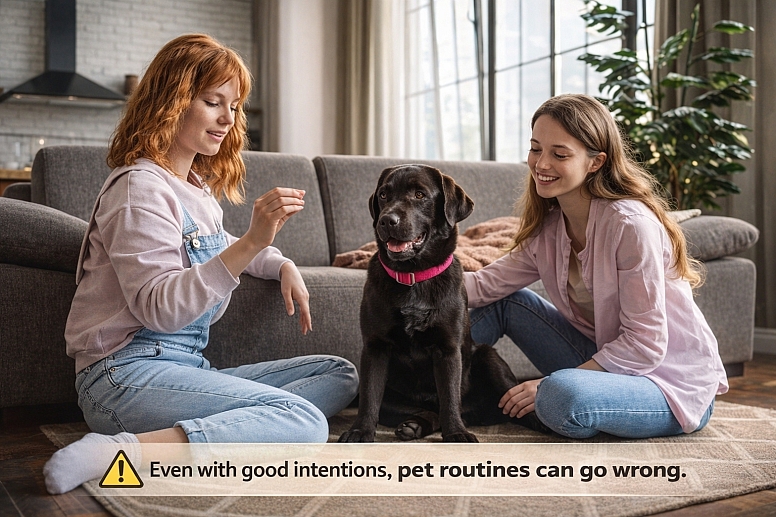
Even with good intentions, pet routines can go wrong. Avoid these common pitfalls:
- Over-scheduling: Pets need balance. Too many activities cause stress.
- Ignoring mental needs: Physical activity alone is not enough. Mental stimulation is crucial.
- Inconsistency: Skipping feeding, exercise, or play sessions can lead to anxiety and behavior issues.
- Neglecting rest: Overactive pets become fatigued, irritable, or sick.
- Failing to adjust: Pets grow, age, and change. Routines should evolve with them.
Awareness of these mistakes ensures your routine remains effective and enjoyable.
Creating a pet routine that aligns with your lifestyle requires thought, consistency, and patience. By understanding your schedule, your pet’s needs, and incorporating feeding, exercise, mental stimulation, grooming, rest, and social time, you can achieve harmony.
A balanced routine improves health, behavior and strengthens your bond with your pet. Remember, routines are not rigid; they are flexible frameworks that evolve with time. Observe your pet, listen to their cues, and make adjustments as needed.
Ultimately, a well-structured routine benefits everyone. You gain peace of mind, and your pet enjoys a happier, healthier, and more fulfilling life. Start small, stay consistent, and enjoy the journey with your furry companion.
At its core, caring for a pet is part of a holistic approach to health, fitness, and well-being. A consistent routine keeps your pet physically active, mentally stimulated, and emotionally secure—while also encouraging you to move more, manage time better, and reduce daily stress.
The shared rhythm of walks, play, rest, and care creates healthier habits for both of you. By viewing your pet’s routine as a wellbeing practice rather than a chore, you nurture a balanced lifestyle built on connection, mindfulness, and long-term vitality—for every member of the household, furry or otherwise.
Recent Posts









0.0556